
We Know the Landscape Is Changing for Leaders, now what?
We hear all of the bad things about the changing landscape, but there are so much good that is coming out of the change in workforce.

The workforce is changing, and so is the way leaders need to approach their roles. Gone are the days when leadership meant simply giving orders and expecting everyone to follow without question. Today’s leaders face a new world—one driven by technology, diversity, globalization, and shifting societal expectations. This new era requires leaders to be more flexible, empathetic, and innovative than ever before. So, now that we know the landscape is changing, where do we go from here? Let’s dive into what’s happening and explore how leaders can step up and succeed in this evolving environment.

The Changing Landscape of Leadership
First, let’s talk about why leadership looks so different today. A lot of factors are driving these changes:
Technological Advancements: Technology has dramatically changed how businesses operate. We’re talking about everything from automation and artificial intelligence (AI) to big data and machine learning. These tools are making work more efficient but also changing the skills leaders need. Remote work, especially after the COVID-19 pandemic, is another huge shift. Leaders now have to manage teams spread out across different locations, often in virtual settings. This means keeping everyone connected and maintaining a strong company culture, even when people aren’t in the same room.
Diverse Workforce Demographics: The makeup of the workforce is more diverse than ever. Today, you’ve got Baby Boomers working alongside Millennials and Gen Z, all of whom have different values and expectations. The younger generations, in particular, want more flexibility, a better work-life balance, and a sense of purpose in what they do. This means leaders have to rethink how they manage teams to keep everyone engaged and happy.
Globalization and Competition: Thanks to globalization, businesses are no longer limited to local markets. They can compete on a global scale, which opens up new opportunities but also means more competition. Leaders have to think about how to lead teams that operate across different cultures and time zones, all while keeping an eye on global market trends.
Evolving Societal Expectations: Society is holding businesses more accountable for their impact. Things like sustainability, corporate social responsibility (CSR), and diversity, equity, and inclusion (DEI) are no longer just buzzwords—they’re now core parts of how companies operate. Leaders are expected to show that their organizations are doing good in the world, not just making money.
With all these changes happening, leaders need to think differently about how they lead. But what does that look like in practice?
Become an Adaptive Leader
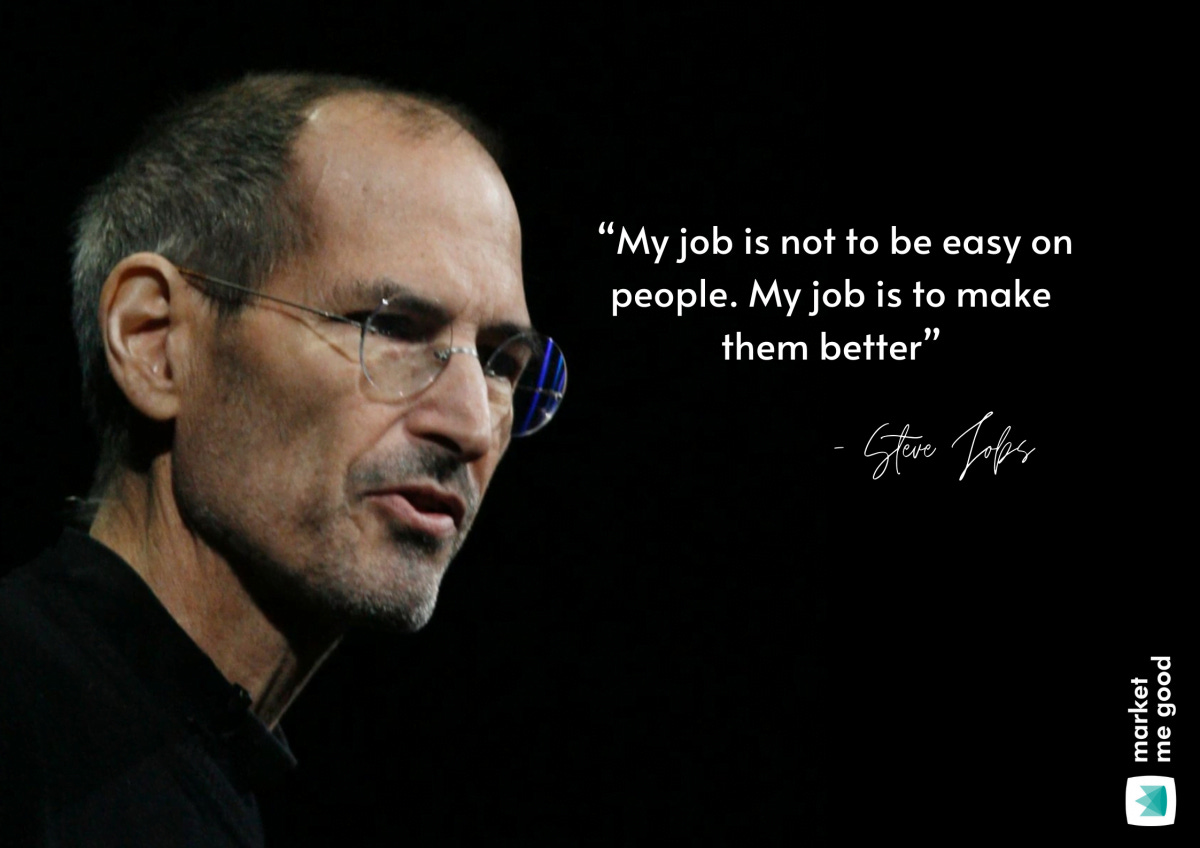
One of the most important traits leaders need today is adaptability. The world is changing fast, and leaders who are stuck in their ways are going to struggle. Adaptive leadership is all about being flexible and open to learning. You don’t need to have all the answers right away, but you should be willing to experiment, learn from mistakes, and adjust your approach as needed.
One way to foster adaptability is to encourage a culture of continuous learning in your team. This means making sure your employees are always developing new skills and staying curious about new technologies and ideas. Agile methodologies, which emphasize working in short, iterative cycles, can help teams test out new ideas and make quick adjustments.
Another important part of adaptive leadership is being comfortable with uncertainty. The future is unpredictable, and long-term plans may not always hold up. Instead of rigid plans, focus on creating flexible frameworks that allow you to pivot when necessary.
Develop Emotional Intelligence
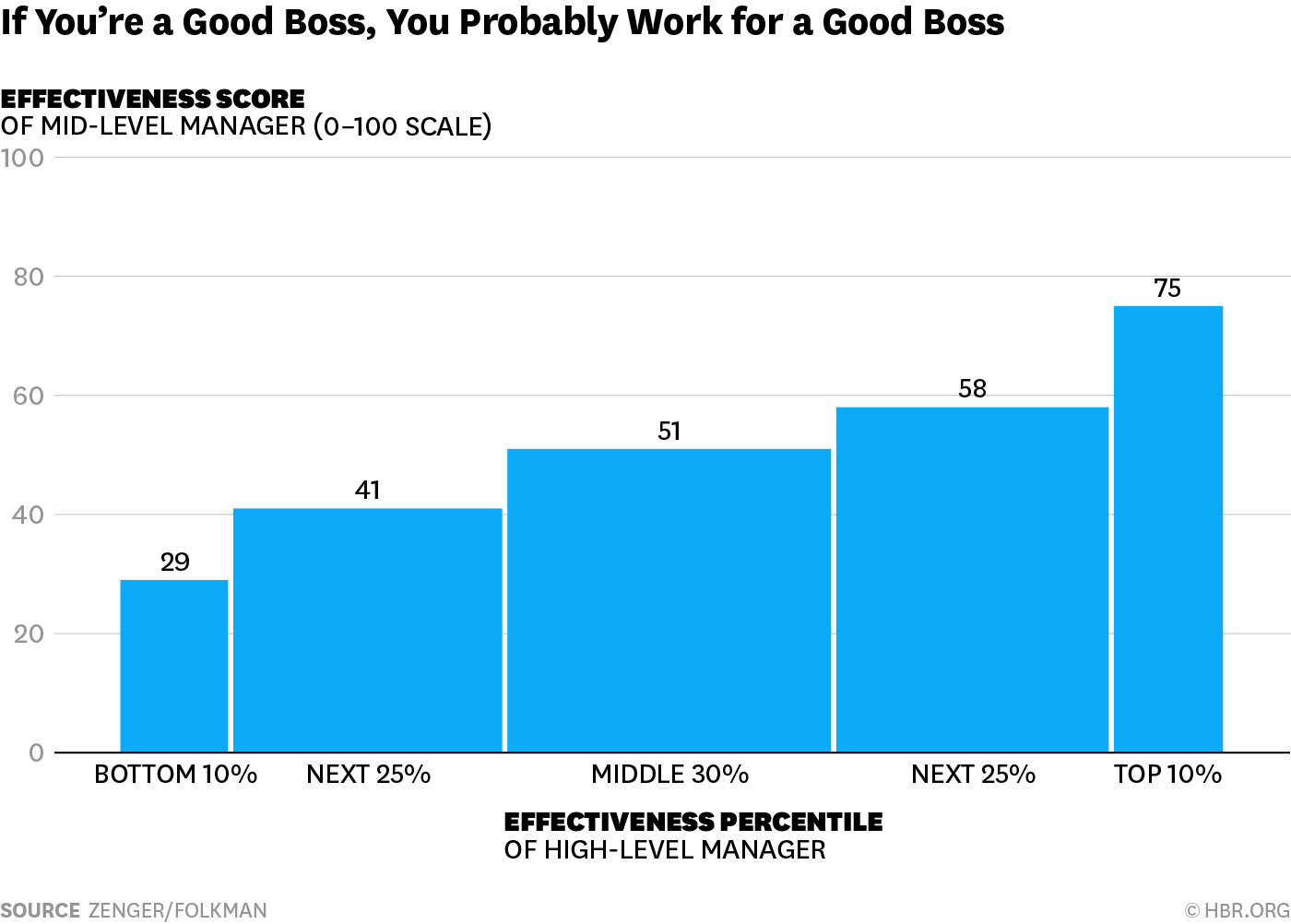
Emotional intelligence (EI) is more important than ever for leaders. It’s all about understanding and managing your emotions while also being empathetic toward others. Why does this matter? Because today’s diverse workforce requires leaders who can build strong relationships, resolve conflicts, and create trust among team members.
In a world where hybrid and remote work are becoming the norm, emotional intelligence is key to keeping teams connected. Leaders who are emotionally intelligent can recognize when someone on their team is struggling—whether they’re feeling isolated in a remote setting or dealing with personal challenges. By showing empathy, leaders can create a sense of connection, even when teams are working apart.
Emotional intelligence is also critical for managing today’s complex workplace issues. For example, DEI initiatives require leaders to be sensitive to the experiences of employees from different backgrounds. By listening actively and showing empathy, leaders can create an inclusive environment where everyone feels valued.
Lead with Purpose
It’s not just about the bottom line anymore. Employees today, especially younger ones, want to work for companies that stand for something. They want to know that their work is making a difference in the world. That’s where purpose-driven leadership comes in.
Leading with purpose means clearly articulating a vision that aligns with your company’s goals and values, while also addressing broader societal challenges. This could mean focusing on sustainability, supporting charitable causes, or promoting social justice. Employees want to know that their work is part of something bigger, and leaders have the power to inspire them by connecting their day-to-day tasks to a larger mission.
Purpose-driven leadership also involves creating a workplace where employees can find meaning in their work. By helping employees see the impact of their efforts and explaining the “why” behind your company’s mission, you can motivate your team and foster a sense of fulfillment.
Champion Diversity and Inclusion
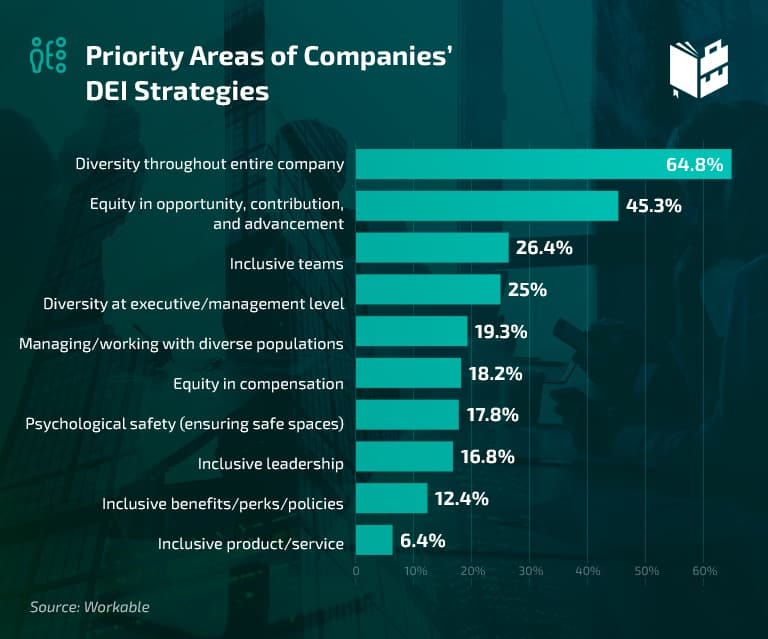
Diversity and inclusion (D&I) are not just nice-to-haves anymore—they are essential to a successful workplace. Diverse teams bring fresh perspectives, innovative ideas, and a wider range of problem-solving skills. But it’s not enough to just have diversity on paper. Leaders must also create an inclusive environment where everyone feels valued and has equal opportunities to succeed.
Inclusive leadership means actively seeking input from diverse voices and making sure that all team members feel empowered to contribute. It also means addressing unconscious bias and implementing policies that promote fairness. Leaders need to take a hard look at their company culture and ask themselves whether all employees truly feel included.
Accountability is key here. Leaders should measure their progress in creating an inclusive workplace and be willing to make changes when necessary. This could involve providing D&I training, implementing mentorship programs, or reviewing hiring practices to ensure diversity at all levels of the organization.
Invest in Leadership Development
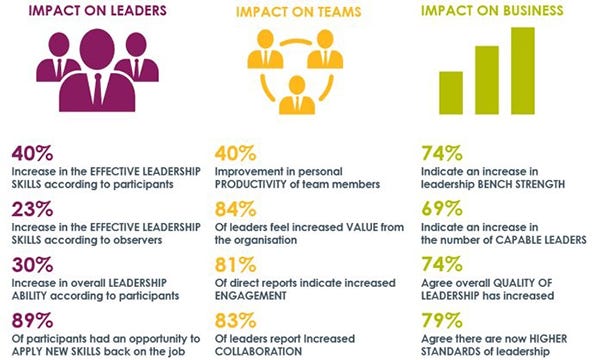
Finally, leaders need to think about the future. The challenges we face today are significant, but the leaders of tomorrow will face even more complexity. That’s why leadership development is so important. Leaders should be focused on identifying and nurturing the next generation of leaders who will be able to navigate this rapidly changing landscape.
Leadership development programs should go beyond just technical skills. Soft skills like communication, emotional intelligence, and adaptability are becoming increasingly important. Mentorship and coaching can also play a key role in helping emerging leaders grow.
Delegation is another important part of leadership development. Leaders should be willing to give responsibility to others, empowering them to make decisions and take ownership of their work. This not only helps employees develop leadership skills, but it also builds a culture of trust and collaboration.
Conclusion
The workforce is changing, and so are the expectations placed on leaders. To succeed in this new landscape, leaders need to be adaptable, emotionally intelligent, purpose-driven, and inclusive. They also need to invest in developing future leaders who can continue to guide their organizations through the challenges of tomorrow.
By fostering a culture of continuous learning, embracing flexibility, and leading with empathy and purpose, today’s leaders can create workplaces where employees thrive. The future of work may be unpredictable, but with the right mindset and approach, leaders can not only keep up with the changes but also inspire their teams to excel in this new era.