
The Support Agent Superpower
I’m speaking directly to the heart of our organization— the frontline support agents.

If you’re reading this, you’re likely spending your days navigating complex issues, soothing frustrated customers, and turning chaos into calm. You might see this role as a stepping stone, a temporary gig, or maybe even a career destination. Whatever your view, I want to fundamentally shift your perspective: Customer Support is not just a job; it is a foundational masterclass in every essential business skill, and it holds the keys to an incredible career trajectory.
This post is your roadmap to transforming your daily tasks into powerful professional development. Let’s delve into the three pillars that will elevate you from a great agent to an indispensable leader, whether you stay in Support or branch out into Product, Sales, or Operations.
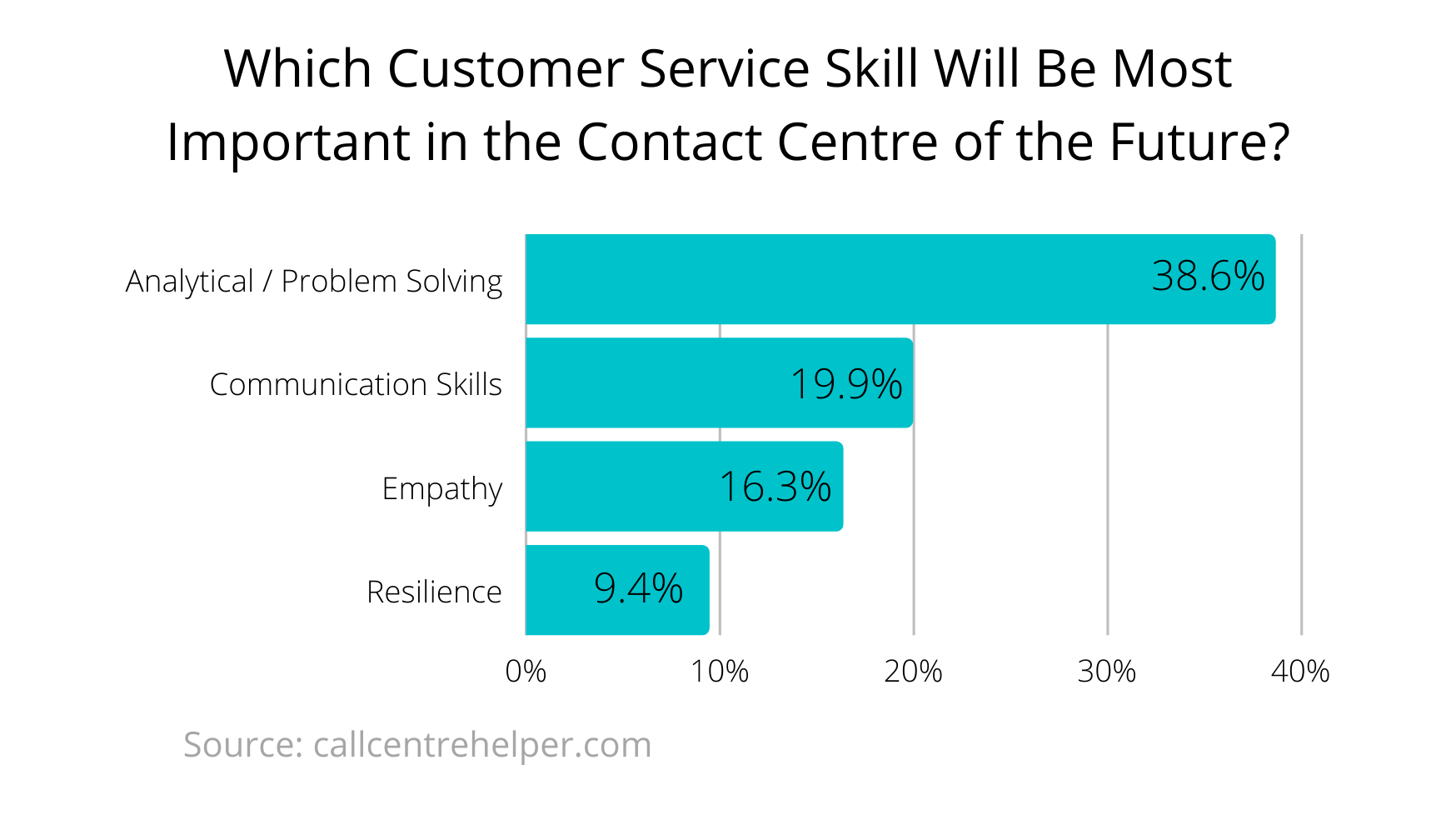
Pillar 1: Beyond Resolution—Mastering the Art of Deep Empathy and Insight
The most common metric in Support is Time to Resolution (TTR). We all strive to be fast, but speed without quality is hollow. The truly exceptional agent doesn’t just resolve the issue; they resolve the customer.
🧠 The Intelligence of Empathy
Empathy isn’t just saying, “I understand.” It’s about a deep, almost clinical understanding of the customer’s emotional and practical state. A customer reporting a bug is not just annoyed about the bug; they are likely worried about a deadline, frustrated they look incompetent to their boss, or simply stressed about wasted time.
Actionable Tip: Next time you resolve an issue, take 30 seconds to write down two things:
What was the root cause of the technical problem?
What was the emotional state of the customer, and how did your actions alleviate it?
Documenting the emotional journey transforms a simple ticket resolution into a case study in human psychology. This skill—the ability to understand user needs beyond their literal request—is what product managers and UX designers crave. You are gathering the most authentic, unfiltered user research data available, simply by listening.
🔎 Becoming a Product Evangelist and Critic
You see the product’s flaws daily. You know the confusing workflow, the missing feature, and the documentation gaps better than anyone. Instead of just documenting the pain, channel it into proactive insight.
Don’t just report the bug: Suggest a fix or, even better, a preventative feature. For example: “The majority of tickets on this topic are caused by users clicking ‘Submit’ without filling out Field X. Could we add a red outline and a tooltip reminding them before they click?”
The Career Leap: When you consistently provide this level of insight, you stop being just a cost center (Support) and become a profit center (driving product improvements that reduce churn and increase adoption). You are now ready for a Product Owner or Business Analyst role.
Pillar 2: The Data-Driven Agent—Quantifying Your Impact
In any business environment, your value is proven by data. Your daily metrics are not chains; they are proof of your power. You must learn to speak the language of business, and that language is data.
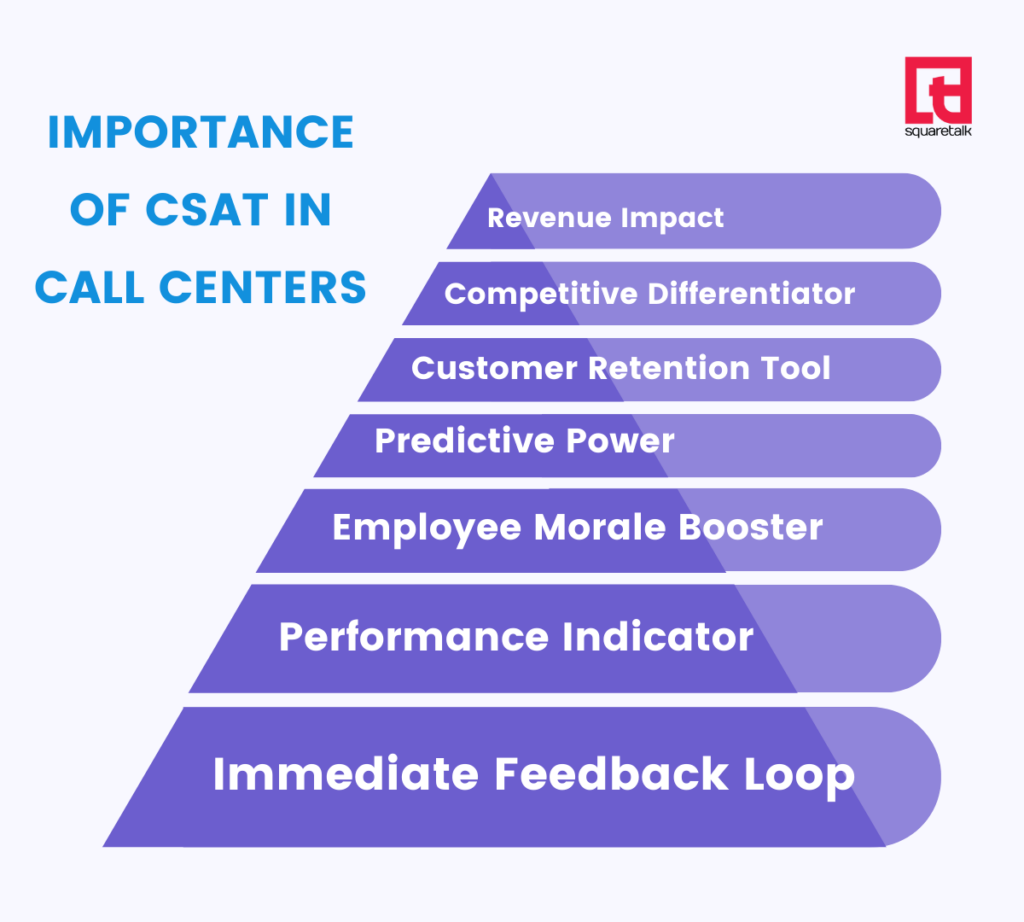
📊 Beyond TTR and CSAT
Yes, your Customer Satisfaction (CSAT) score is critical. But let’s look deeper at the data points that truly showcase your career readiness:
First Contact Resolution (FCR) vs. Escalation Rate: A high FCR shows your technical proficiency and resourcefulness. A low Escalation Rate demonstrates your ability to own a problem end-to-end, which is the hallmark of a great team lead or project manager.
Backlog Contribution (Reducing Backlog): Are you consistently tackling the oldest, most difficult tickets? This shows courage, prioritization, and an understanding of organizational efficiency. Leaders don’t just clear their own queue; they help clear the team’s.
Knowledge Base (KB) Contributions: Every time you write a clear, helpful KB article or FAQ, you are demonstrating your scalability mindset. You’re solving the problem once for the next hundred customers. This is the mentality of a top-tier Operations Manager.
Actionable Tip: On your next one-on-one with your manager, don’t just wait for them to review your metrics. Bring your own mini-report. Highlight a metric you improved and explain how your process change drove that result.
Example Script: “My Escalation Rate dropped by 8% last month. This was because I dedicated 30 minutes every Tuesday to reviewing the previous week’s escalations to build a personal playbook for complex troubleshooting. I’d like to share this playbook with the team.”
This is not a report; it’s a pitch. It demonstrates self-management, analytical thinking, and a commitment to team success.
Pillar 3: Becoming a Multiplier—The Career Acceleration Engine
The transition from a high-performing agent to a leader—formal or informal—hinges on a single concept: you must become a multiplier of your peers’ success.
🤝 The Power of Internal Coaching
When a peer asks you for help, see it as an opportunity to practice leadership. Don’t just give them the answer; guide them to the solution.
Instead of: “It’s the setting in the Admin panel under ‘Permissions,’ then you check the third box.”
Try: “That sounds like a Permissions issue. Walk me through where you’d normally check those settings, and let’s see what we might be overlooking in that area.”
This coaching approach elevates your peer’s skills and reduces their dependence on you, giving you back time to focus on strategic work. You are, in essence, becoming a trainer and mentor—essential skills for any manager or team lead.
📢 Advocating for the Support Voice
Your role gives you a unique, holistic view of the company: product gaps, sales friction points, and marketing communication failures. You are the only person who can connect all these dots using real-world data. You must learn to advocate for change.
Speak Up in Cross-Functional Meetings: When you get invited to a meeting with Product or Engineering, you are not there to complain about bugs. You are there to represent the Voice of the Customer (VoC). Frame your feedback not as a complaint, but as a business opportunity (e.g., “Fixing this flow could save us 20 hours of Support time per week”).
The Senior Director of Customer Support role I hold today is built on these principles. I was once an agent who saw every ticket not as a chore, but as a chance to learn, influence, and build something better.
Your Next Step: The Daily Commitment
Your career advancement is not dependent on a sudden promotion; it’s dependent on the small, daily choices you make.
Stop seeing tickets as transactions. See them as data points for product improvement and case studies for professional development.
Translate your work into business impact. Don’t just say, “I closed 50 tickets.” Say, “I reduced the backlog by focusing on high-severity, high-visibility issues, which stabilized our key client relationships.”
Invest in your peers. By making your teammates better, you prove your capacity to lead and scale your impact beyond your own queue.
The support agent role is the most dynamic, demanding, and rewarding entry point into the business world. You are currently mastering communication, conflict resolution, technical expertise, data analysis, and product management—all in one role. Recognize this immense value, master your craft, and I promise you, your career will take you to places you can’t even imagine right now.